
The Ultimate Guide to Custom Kitchens: Designing Around Your Lifestyle


Designing a custom kitchen is an exciting journey that allows you to create a space tailored to your needs and lifestyle. Whether you’re a culinary enthusiast or seeking a family-friendly area, understanding the essentials of custom kitchens can help you make informed decisions.
Understanding Your Lifestyle
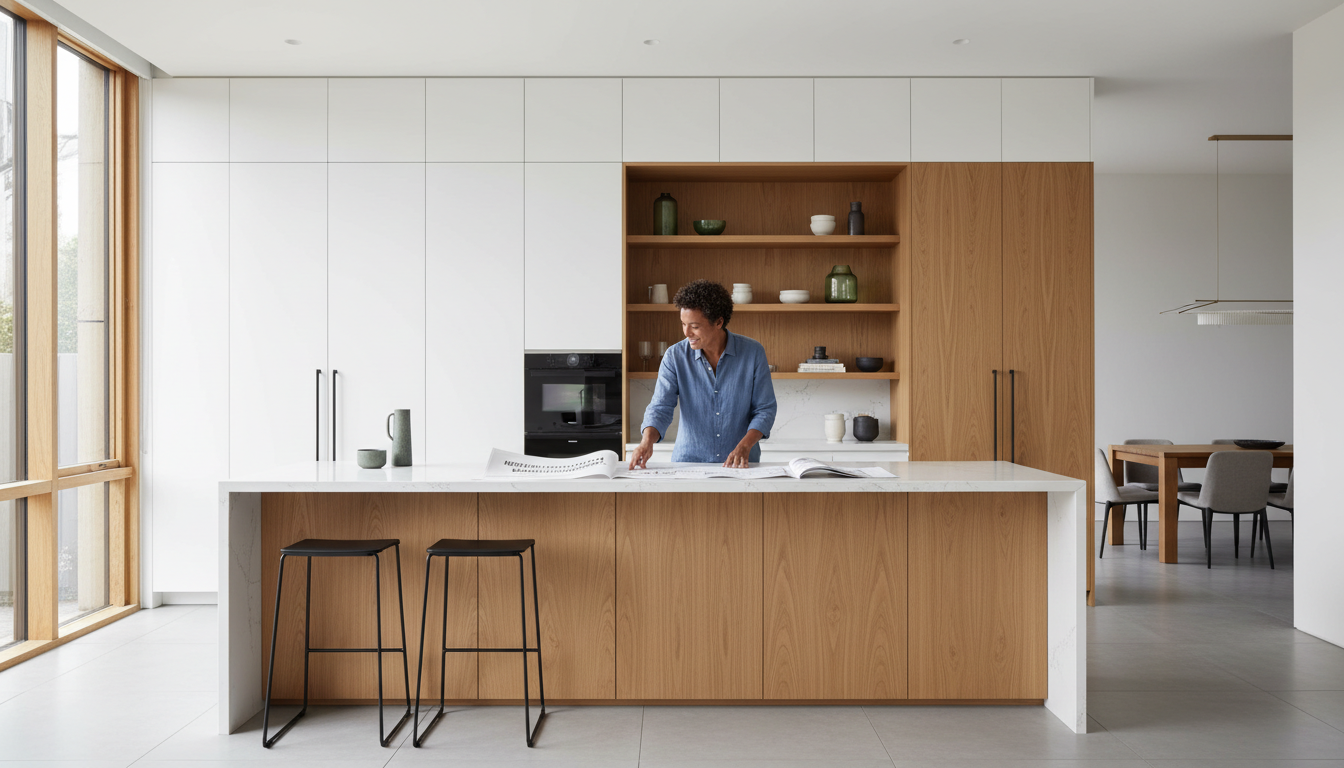
The first step in designing a custom kitchen is to assess your lifestyle. Think about how you use your kitchen daily. Do you love hosting dinner parties, or are quick breakfasts more your speed? Understanding your needs will guide your design choices.
Consider Your Cooking Style
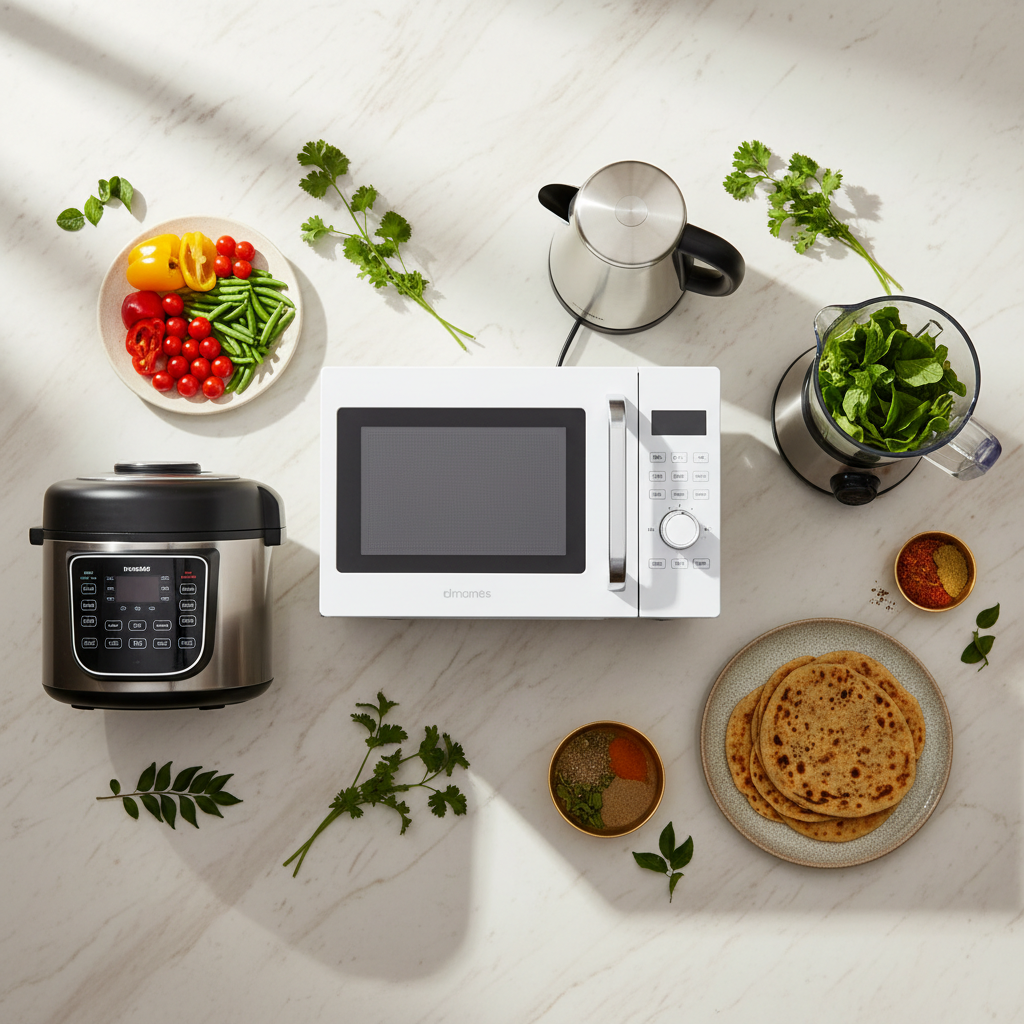
If you’re an avid cook, consider incorporating features like a large prep space, high-quality appliances, and ample storage for pots and pans. A spacious island can also provide additional workspace and seating for casual dining. Conversely, if you prefer quick meals, focus on efficiency and a streamlined layout.
Layout and Flow
The layout of your kitchen is crucial for maximizing efficiency and comfort. The traditional work triangle—linking the sink, stove, and refrigerator—is a popular choice, but modern designs often incorporate more flexible arrangements. Consider how you move around the kitchen and arrange elements to minimize unnecessary steps.
Open or Closed Concept?
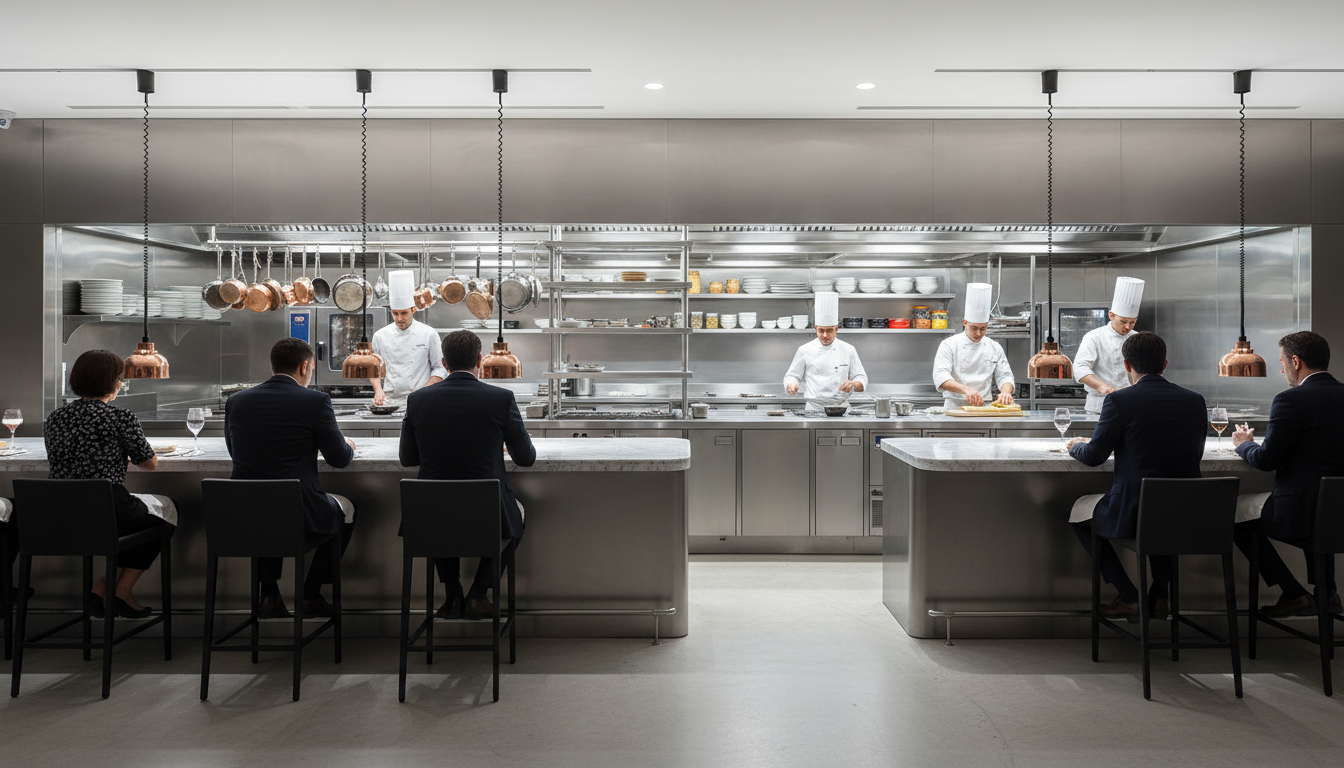
Modern kitchens often embrace an open concept, blending seamlessly with living areas. This design fosters a social environment, ideal for families and entertaining. However, if you prefer a more private space, a closed kitchen might suit your needs better. Each option has its benefits, so choose based on your personal preferences.
Choosing Materials and Finishes
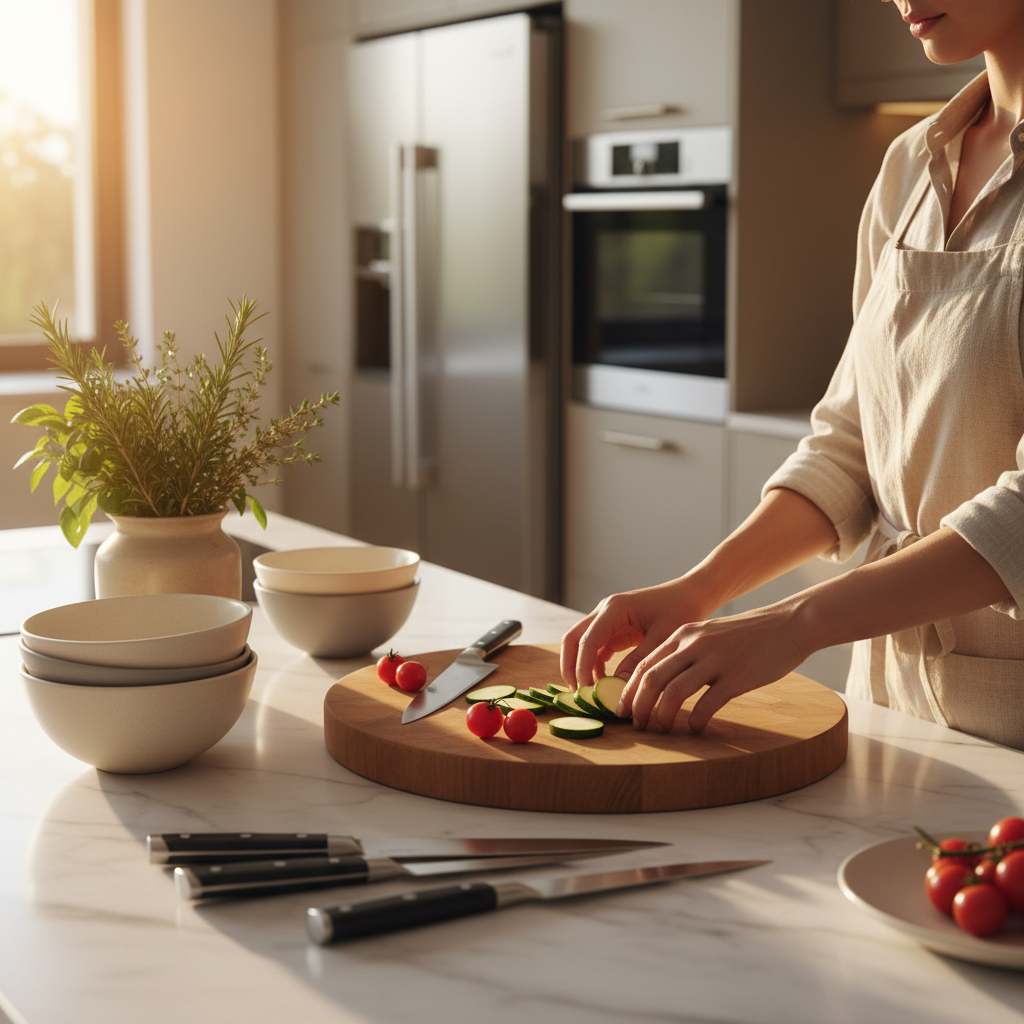
The materials and finishes you choose will define the aesthetic and functionality of your kitchen. Opt for durable, easy-to-clean surfaces like quartz or granite for countertops. Cabinets can be customized with various finishes, from sleek modern gloss to classic wood grains.
Incorporating Color and Texture
Colors and textures can significantly impact the atmosphere of your kitchen. Neutral tones create a calming environment, while bold colors can add vibrancy. Consider incorporating a mix of textures, such as wood, metal, and glass, to add depth and interest to the space.
Technology and Innovation
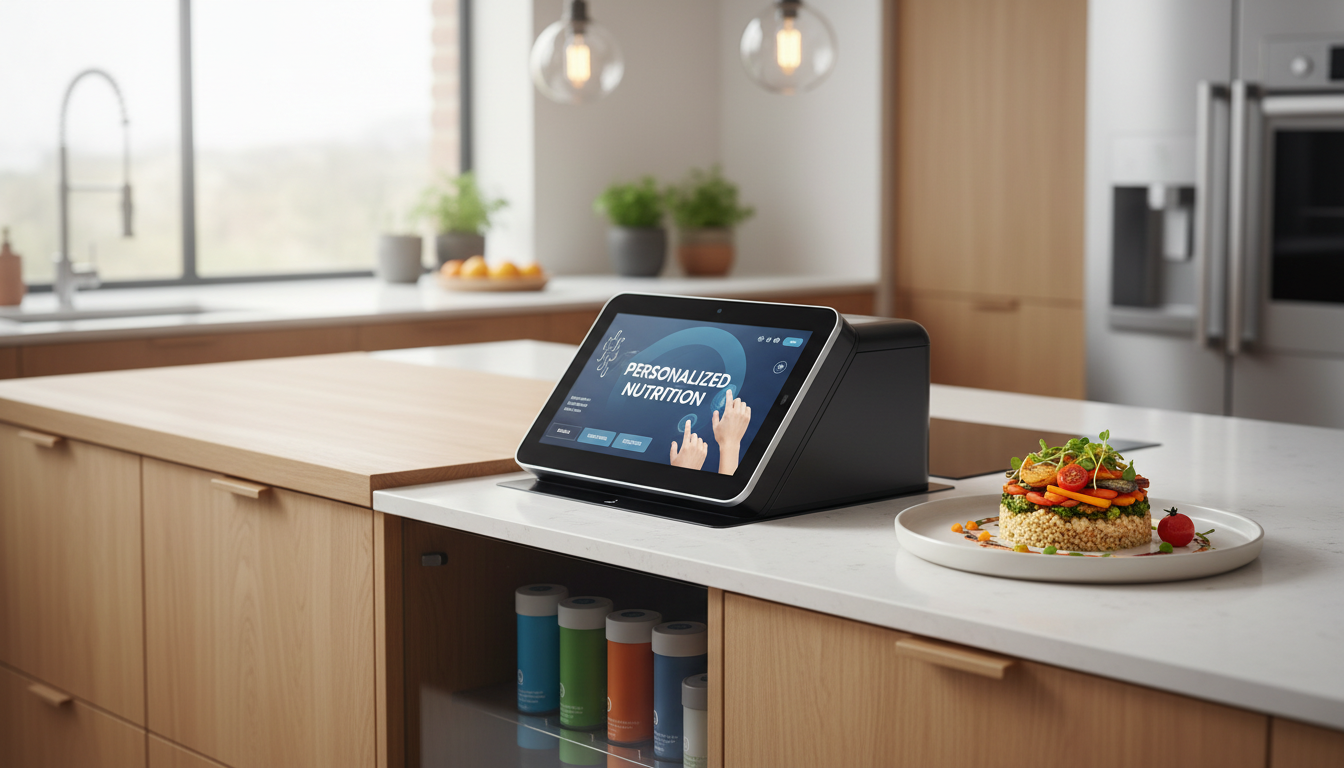
Integrating technology into your kitchen can enhance convenience and efficiency. Smart appliances, such as refrigerators with touch screens or ovens you can control with your smartphone, are increasingly popular. These innovations can streamline meal preparation and make your kitchen more functional.
Energy Efficiency
Consider choosing energy-efficient appliances and lighting to reduce your kitchen’s environmental impact. LED lights, energy-star-rated appliances, and water-saving fixtures are excellent choices that benefit both the environment and your utility bills.
Designing a custom kitchen that aligns with your lifestyle involves thoughtful consideration of your needs, preferences, and habits. By focusing on layout, materials, and technology, you can create a space that is not only beautiful but also functional and efficient. Whether you’re building from scratch or renovating, these insights will guide you in crafting the perfect kitchen for your home.